


Visual Affirmations: Why Seeing Affirmations Helps Emotional Healing
- Mar 2
- 3 min read

Affirmations are often spoken.
Repeated in the mirror. Written in journals. Whispered during difficult moments.
But there’s something many people overlook:
Seeing your affirmations daily can be just as powerful, sometimes more powerful, than saying them.
If you’ve ever felt like affirmations “don’t quite land,” the issue may not be the message. It may be the method.
This guide explores why seeing affirmations helps emotional healing, and how visual affirmation artwork can become a steady, grounding support in your mental health and spiritual journey.
Why Words Alone Don’t Always Work
Spoken affirmations require energy.
They require intention. They require focus. They sometimes require belief before you’re ready.
During emotionally heavy seasons, repeating phrases like:
“I am confident.”
“I fully trust myself.”
…can feel disconnected from your current reality.
And when affirmations feel unrealistic, your mind may resist them.
Visual affirmations remove that pressure.
They don’t demand repetition. They don’t require you to argue with your thoughts. They simply exist in your space, gently reinforcing a healthier narrative.
Why Seeing Affirmations Helps Emotional Healing

Why Seeing Affirmations Helps Emotional Healing
Understanding why seeing affirmations helps emotional healing can change the way you approach both your environment and your self-talk.
Here’s what’s happening beneath the surface:
1. The Brain Processes Images Faster Than Words
Your brain responds to imagery almost instantly. Colours, shapes, and symbols evoke emotional reactions without needing conscious analysis.
A calming abstract piece or a symbolic image of growth communicates through feeling, not debate.
2. Repetition Builds Emotional Familiarity
When you see the same affirmation daily, your nervous system becomes familiar with it.
Familiarity creates safety. Safety creates stability. Stability supports healing.
Even if you don’t actively think about the affirmation, your subconscious absorbs it.
3. Visual Cues Interrupt Negative Thought Loops
Emotional healing often involves managing intrusive or critical thoughts.
A visual affirmation acts as a soft interruption.
When your eyes land on a reminder like: “I am allowed to grow at my own pace.”
…it can gently redirect your internal dialogue without force.
The Role of Visual Affirmation Artwork in Healing
This is where intentional artwork becomes powerful.
Visual affirmation artwork isn’t just decoration, it’s emotional reinforcement.
When artwork carries:
Meaningful affirmations
Symbolism connected to resilience or freedom
Colours inspired by grounding or heart-centred energy
…it becomes a daily reminder of your healing intentions.
For example:
A hummingbird symbolising lightness and gratitude
Abstract flowing colours representing emotional release
Affirmations woven subtly into the composition
These elements support healing without demanding effort from you.
Your space begins to reflect who you are becoming, not who you were at your lowest.
How to Use Visual Affirmations Practically
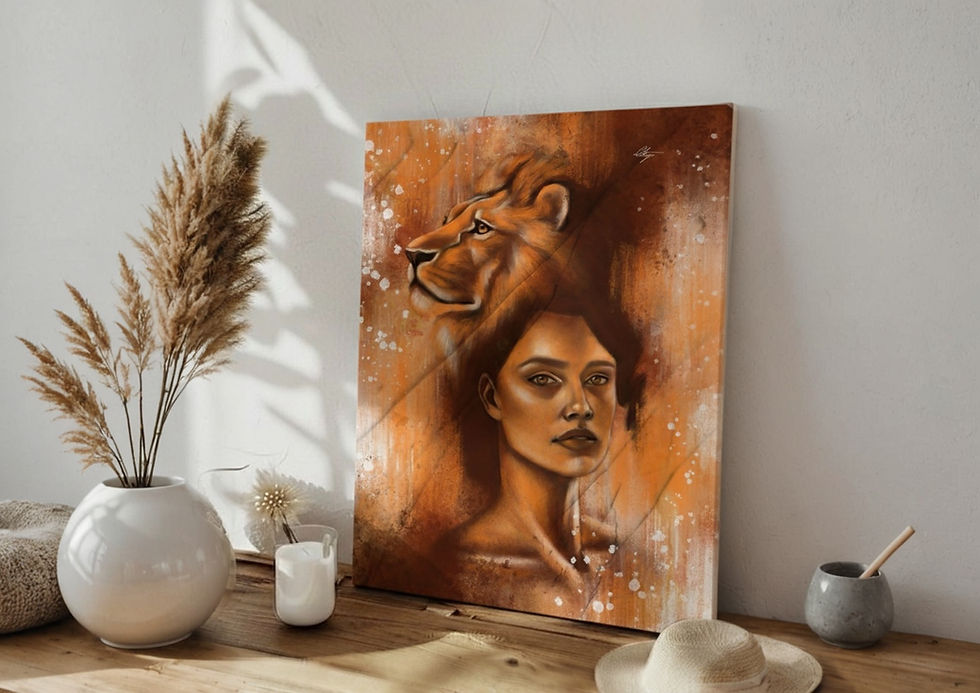
To make this supportive rather than aesthetic-only, try this:
1. Choose Based on Emotional Need
Ask yourself: “What do I need more of right now?”
Patience? Courage? Trust? Softness?
Let that guide your choice of artwork or visual affirmation.
2. Place It Where You Experience Stress
Common areas:
Above your desk
Beside your bed
Near your mirror
In a quiet reflection space
Visibility matters more than perfection.
3. Pair Seeing With One Small Action
When you notice the affirmation:
Take one slow breath
Soften your shoulders
Read it silently once
That brief pause reinforces calm and alignment.
Seeing vs Saying: Why Both Can Work Together
Spoken affirmations activate intention.
Visual affirmations sustain it.
When combined, they create alignment between:
Thought
Emotion
Environment
If affirmations have felt ineffective in the past, introducing a visual element may be the missing piece.
Sometimes healing needs to be seen repeatedly before it can be spoken confidently.
Final Thoughts: Let Your Space Support Your Healing
Emotional healing is not only internal. It is influenced by what surrounds you.
When your environment reflects self-trust, patience, and growth, your nervous system responds accordingly.
Visual affirmations don’t rush your healing. They don’t force belief. They quietly reinforce it.
And over time, that consistency matters more than intensity.


Comments